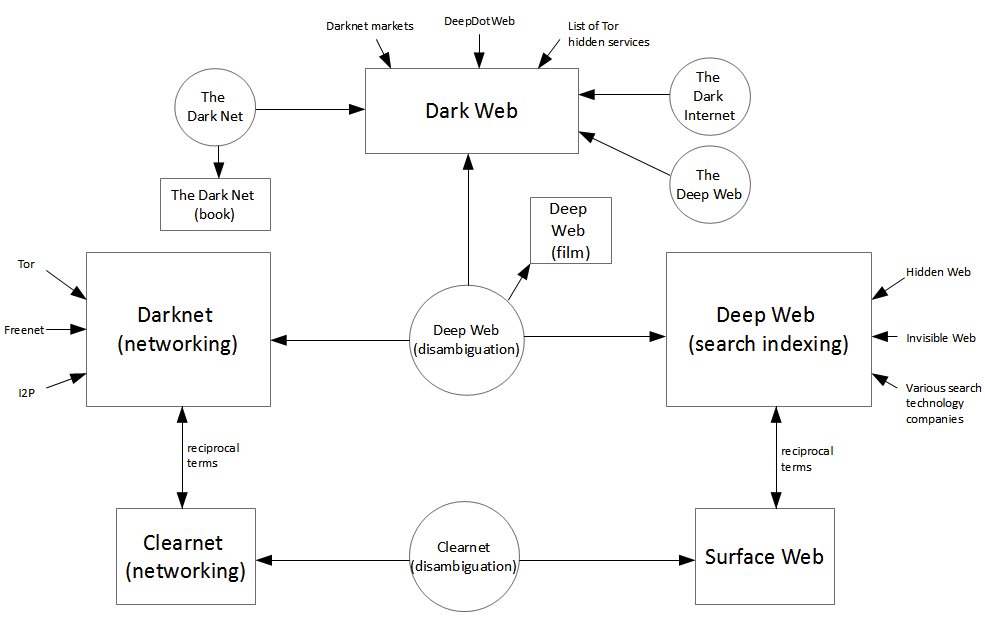
In the shadows of the internet lies a hidden world that operates beyond the grasp of traditional search engines and social media platforms. This is the realm of the dark web, a section of the web that is often associated with secrecy and illegal activities. Dark web markets have garnered significant attention in the past few years, luring a mix of curious explorers, cybercriminals, and those looking for items and services that are hard to find on the surface web.
As people explore the complexities of the dark web, they find various marketplaces that trade in everything from legal drugs to stolen data. These markets function on the principle of anonymity, using cryptography and other technologies to safeguard the identities of buyers and sellers. However, this shroud of secrecy poses important questions about legality, morality, and the consequences of engaging in such exchanges. Exploring the dark web offers a view into one of the most controversial and misunderstood aspects of the web, exposing both the allure and the risks of this hidden landscape.
Understanding the Shadow Web
The hidden web is a part of the web that is unindexed by mainstream search tools, making it difficult to utilize for most people. It demands particular software, such as Tor, to enter and use, providing anonymity to people and allowing them to take part in activities that can be both lawful and unlawful. This secret realm encourages a feeling of seclusion and security, attracting a wide range of users, including leakers, advocates, and individuals seeking escape watchful eyes.
Within the hidden web, a diversity of markets have arisen, specializing in the trade of goods and assistance that range from the innocuous to the forbidden. These markets often function on a virtual currency basis, guaranteeing transactions continue to be discreet and secure. While certain dark web markets focus on privacy-related tools, some may engage in criminal narcotics, arms, or stolen data, establishing an atmosphere that is both captivating and dangerous.
Comprehending the dark web is vital in evaluating the broader implications of its being. While it serves as a refuge for lawful pursuits, such as freedom of expression in tyrannical regimes, it simultaneously presents significant challenges to law enforcement and communities at large. Addressing the complexities of the shadow web necessitates a balanced approach that balances the need for protection with the rights to privacy and open dialogue.
The Economics of Dark Web Markets
The dark web operates on a unique business model that varies substantially from traditional markets. darknet markets onion address of the notable aspects is the utilization of crypto assets, which allow buyers and sellers to conduct trades without revealing their identity. This anonymity promotes a feeling of safety among users, permitting them to engage in risky endeavors without concern about being tracked by authorities. The increase of digital currencies like Bitcoin and Monero has also facilitated this environment, making deals fast and less susceptible to banking regulations.
Supply and demand dynamics on the dark web are intriguing. Marketplaces often exhibit a vast array of products and offerings, ranging from illegal drugs and fake goods to hacking services and private data. This variety attracts a varied user base, driving contestation among vendors. Some vendors thrive on standing and customer reviews, while others rely on competitive pricing tactics. The competition often leads to innovation in product offerings and client engagement strategies, including within this hidden market.
However, the inherently unstable character of dark web markets presents significant risks. Authorities continuously scrutinize these platforms, leading to cyclical initiatives against illegal activities that can change market stability overnight. Marketplaces may cease to exist or be taken over, causing sellers and buyers to lose their capital suddenly. Moreover, the presence of fraudulent sellers can create suspicion among users, prompting a cautious approach to purchasing. Thus, while the allure of anonymity and unregulated commerce attracts many, actors in these markets must maneuver through a landscape fraught with uncertainty and danger.
Risks and Consequences of Dark Web Engagement
Engaging with illicit online markets poses considerable threats, both. One of the primary issues is the judicial consequences associated with purchasing or dealing in illicit products and services. Police have become more skilled at monitoring activities on the dark web, leading to captures and prosecutions for those engaged in forbidden deals. Users may face the risk of facing stringent consequences, including hefty monetary penalties and lengthy prison sentences.
In furthermore to judicial threats, navigating the illicit online world can expose individuals to online threats. The anonymity and lack of oversight of dark web markets attract a diverse array of harmful actors, such as cybercriminals and con artists. Users may fall victim to identity theft, financial fraud, or additional cybercrimes. Additionally, engaging in these markets can lead to a loss of personal security, as individuals may unknowingly share private details or come across violent or disturbing content.
Ultimately, the psychological impact of engaging with dark web markets should not be dismissed. The nature of the products and items often found there can be disturbing, causing emotional distress or numbness to aggression and illegal activities. This can lead to increased nervousness and moral dilemmas, creating a struggle between personal values and the temptation of secrecy and freedom that the deep web offers. In summary, these aggregated threats illustrate the perilous environment of deep web participation.